
Hyperbaric Oxygen Chamber Therapy
Hyperbaric oxygen chamber therapy supports your body’s natural healing
At Ritual Acupuncture Center, we offer MILD Hyperbaric Oxygen Therapy (mHBOT), a gentle, non-invasive oxygen treatment designed to support your body’s natural healing processes and optimize wellness. Unlike traditional hard-shell hyperbaric chambers used for acute conditions, our soft-shell mHBOT system uses pressurized oxygen provided at lower, safer pressures (typically 1.3 ATA), making it ideal for chronic conditions, recovery, and wellness support.
Key takeaways
- Hyperbaric oxygen therapy uses pressurized oxygen delivered in a comfortable chamber to increase oxygen delivery to tissues throughout your body.
- mHBOT is a type of hyperbaric treatment that people can safely receive without a medical emergency. It works for chronic conditions and wellness goals.
- The hyperbaric oxygen chamber at Ritual Acupuncture operates at 1.3 ATA, making it accessible for regular sessions.
- Hyperbaric oxygenation has demonstrated benefits for Long COVID recovery, sports injuries, wound care, and inflammatory conditions.
- Each session takes place in a comfortable chamber under the expert guidance of trained healthcare professionals at Ritual Acupuncture.
Frequently asked questions about the hyperbaric oxygen chamber
What is a hyperbaric oxygen chamber and how does it work?
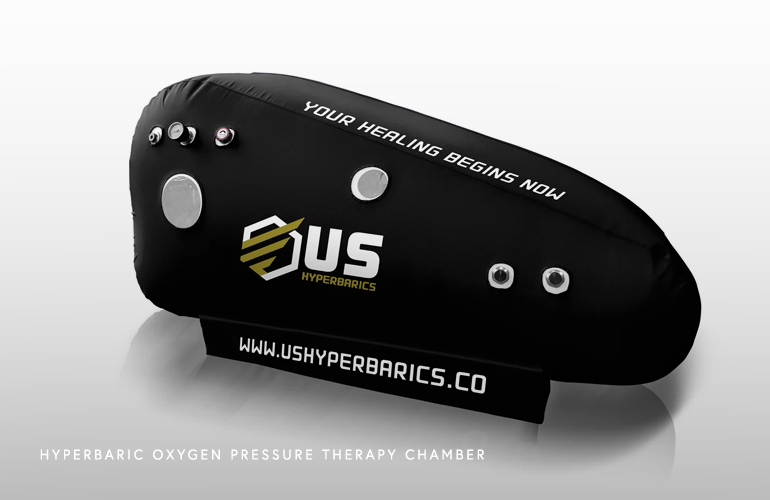
A hyperbaric oxygen chamber is a pressurized enclosure in which patients breathe near-100% oxygen at increased pressures above normal air levels. This increases delivery of oxygen directly into the bloodstream and plasma, reaching tissues that standard air breathing cannot saturate. At Ritual Acupuncture, our soft-shell comfortable chamber operates at 1.3 ATA, a mild, accessible level of hyperbaric therapy suited for regular use.
What conditions does hyperbaric oxygen therapy treat?
Hyperbaric oxygen therapy treats wounds, chronic inflammation, Long COVID fatigue, sports injuries, and reproductive health challenges. Historically, HBOT was a treatment used for decompression sickness and carbon monoxide poisoning, but today people safely use mild HBOT for a wide range of chronic conditions and wellness goals.
How long is each hyperbaric therapy session?
A typical session lasts 60–90 minutes inside the comfortable chamber. During that time, patients breathe oxygen at increased pressures while resting, reading, or listening to music. Most people notice improvements after a series of sessions, though the type of condition being addressed affects the recommended frequency of sessions.
Is HBOT safe for most people?
Mild HBOT using a soft-shell hyperbaric chamber is considered safe for most people when administered at lower pressures, such as 1.3 ATA. Some university research programs and clinical studies have confirmed that hyperbaric oxygenation at this level carries a low risk profile. Patients should consult their provider before starting any hyperbaric treatment, especially if they have certain lung or ear conditions.
How is mHBOT different from traditional hyperbaric chamber treatments?
Traditional hyperbaric chamber treatments use hard-shell chambers at higher increased pressures, often 2.0 to 3.0 ATA, primarily for acute medical conditions like decompression sickness, wound care, and poisoning. Our mHBOT system uses pressurized oxygen delivered at a gentler 1.3 ATA inside a soft-shell hyperbaric chamber, making it a well-tolerated hyperbaric therapy option for chronic conditions, recovery, and everyday wellness outside the clinical setting of a hospital.
Schedule your hyperbaric oxygen chamber session at Ritual Acupuncture
Whether you’re recovering from illness, dealing with chronic fatigue, or seeking to boost performance and well-being, the hyperbaric oxygen chamber at Ritual Acupuncture is ready to support your goals. Our team guides each session from start to finish inside our comfortable chamber, and you can pair hyperbaric therapy with acupuncture for a comprehensive, integrative approach to healing.
References
- Zilberman-Itskovich, S., et al. (2022). Scientific Reports. PMID: 35110642
- Bishop, D., et al. (2011). Clin J Sport Med. PMID: 21871767
- Thom, S. R., et al. (2006). Am J Physiol Heart Circ Physiol. PMID: 16873779
- Wilkinson, D., et al. (2012). Atherosclerosis. PMID: 22241084
- Buras, J. A., et al. (2000). Am J Physiol Cell Physiol. PMID: 11015282